
Distracted Driving & Work-Zone Collisions: How Contractor & Driver Liability Intersect
Jan. 1, 2026
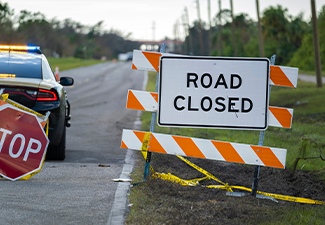 Distracted driving continues to pose a serious threat on the roads, particularly in construction or work zones where hazards can appear suddenly. Drivers who fail to pay full attention to the road put themselves, other motorists, and construction workers at risk. Similarly, contractors managing work zones have a duty to maintain safe conditions for traffic.
When accidents occur, liability can be shared or disputed between the distracted driver and the contractor, making the legal process particularly complicated.
Rabin Law Firm represents clients throughout Central New York — including Syracuse, Binghamton, Utica, Watertown, and Rochester. Attorney Benjamin Rabin works closely with victims who have suffered injuries in work-zone collisions, helping them understand how distracted driver liability and contractor responsibilities intersect.
Anyone injured due to a combination of driver negligence and unsafe work-zone practices may have legal avenues to pursue compensation. Contact Rabin Law Firm to schedule a consultation and learn more about potential claims.
Distracted Driving in Work Zones
Work zones create environments that require heightened awareness. Lane shifts, narrowed roadways, temporary signage, and construction equipment all demand drivers' full attention. When drivers become distracted, whether through mobile phone use, adjusting the radio, eating, or other behaviors, they significantly increase the risk of collision.
A distracted driver is defined as anyone who diverts attention from driving, even for a brief moment, which can be enough to cause a serious accident in a work zone. These distractions can lead to:
Rear-end collisions: Drivers failing to notice slowing traffic or sudden stops.
Side-impact crashes: Often occur when a driver drifts into adjacent lanes.
Hit-and-run incidents: Drivers leaving the scene due to panic or confusion.
Injuries to workers: Construction personnel are particularly vulnerable to inattentive motorists.
Contractors managing work zones also play a critical role. Inadequate signage, poorly marked detours, and improperly maintained barriers can exacerbate the consequences of a distracted driver’s actions.
Contractor Responsibilities in Work Zones
Contractors and construction firms have legal obligations to keep work zones safe for both workers and drivers. Failure to maintain proper safety standards can make a contractor partially liable for accidents. Some key responsibilities include:
Proper signage: Clear, visible, and updated to reflect lane closures or detours.
Barriers and cones: Proper placement to guide traffic and protect workers.
Lighting: Adequate illumination, especially for night work or low-visibility conditions.
Employee training: Making sure workers understand how to maintain safe conditions.
When these duties are neglected, the contractor’s negligence can intersect with driver negligence. This intersection often complicates claims, as each party may attempt to shift blame to the other.
How Distracted Driver Liability Is Determined
Liability in work-zone collisions typically depends on establishing which party’s negligence contributed to the accident. Distracted driver liability can be determined by reviewing:
Traffic camera footage: Shows driver actions immediately before a crash.
Eyewitness accounts: Provide firsthand details of the incident.
Electronic data: Mobile phone records or vehicle telematics can confirm distraction.
Accident reconstruction: Professionals analyze the sequence of events to determine fault.
Courts and insurance companies often examine whether the driver could’ve reasonably avoided the collision if they were paying full attention. If contractor negligence contributed, liability may be shared proportionally.
Common Types of Work-Zone Collisions Involving Distracted Drivers
Work zones create unique hazards that make certain types of accidents more likely when drivers aren’t fully focused. Certain collisions occur more frequently in work zones due to distraction. These include:
Lane departure crashes: Drivers drift into construction zones due to inattentiveness.
Rear-end collisions: Sudden stops or slowed traffic catch distracted drivers off guard.
Sideswipe accidents: Drivers fail to notice lane shifts or merging vehicles.
Pedestrian or worker strikes: Workers are struck by vehicles entering the zone unexpectedly.
Recognizing these common accident types is critical for understanding how distracted driver liability may apply and for building a strong case. Understanding these patterns can help victims identify potential claims and the parties that may be held responsible.
Contributing Factors Beyond Driver Distraction
Accidents in work zones often result from a combination of factors, not just driver inattention. While driver distraction is a major cause, other factors often contribute to work-zone accidents:
Poor lighting or weather conditions: Rain, fog, or nighttime conditions reduce visibility.
Speeding: Even a fully attentive driver can struggle to react in a reduced-speed work zone.
Equipment placement: Construction machinery near traffic lanes can create hazards.
Inadequate warnings: Missing or confusing signage increases the risk of accidents.
Recognizing these contributing factors can help clarify which parties may be responsible for a collision. Liability may extend beyond the driver to contractors, municipalities, or equipment manufacturers if negligence is evident, potentially affecting how compensation is determined.
Investigating Work-Zone Collisions
Investigating a work-zone collision involves collecting and analyzing evidence to establish both driver and contractor liability. Key steps include:
Scene documentation: Photographs, measurements, and accident diagrams.
Traffic and police reports: Official accounts of the incident.
Witness statements: Testimonies from drivers, passengers, and construction workers.
Professional analysis: Accident reconstruction workers can clarify the causes and fault.
A thorough investigation is essential to determine whether a distracted driver, unsafe work-zone conditions, or both contributed to the collision.
Legal Implications of Contractor and Driver Negligence
When liability involves multiple parties, determining the extent of responsibility can be challenging. Legal concepts such as comparative negligence often come into play. Under comparative negligence rules:
Each party’s fault is calculated as a percentage.
Compensation may be reduced proportionally to the victim’s own negligence, if any.
Shared responsibility can include both the distracted driver and the contractor managing the work zone.
This legal approach allows victims to pursue compensation even when more than one party is partly at fault.
Types of Compensation in Work-Zone Accidents
Work zone accidents can lead to severe injuries and significant financial challenges, making compensation a critical factor for victims. Those involved in work-zone collisions caused by distracted drivers may be eligible to seek various forms of compensation, depending on the specific circumstances:
Medical expenses: Hospitalization, surgeries, medication, and rehabilitation.
Lost wages: Compensation for missed work during recovery.
Pain and suffering: Emotional distress, physical pain, and reduced quality of life.
Property damage: Repair or replacement of vehicles and personal property.
Long-term care: Costs associated with permanent injuries or disability.
A thorough evaluation of all potential damages makes sure the victims fully understand the scope of their claims. If unsafe work-zone practices contributed to the accident, contractor liability could increase the recovery, offering additional opportunities for compensation.
Insurance Considerations
Filing an insurance claim after a work-zone collision can be challenging, especially when multiple parties may share responsibility. Insurance claims in work-zone collisions can be complicated due to multiple responsible parties. Points to consider include:
Driver’s auto insurance: Typically covers bodily injury and property damage.
Contractor’s liability insurance: May cover accidents resulting from unsafe work-zone conditions.
Uninsured or underinsured drivers: Policies may be needed to supplement coverage.
Claim disputes: Insurers often attempt to minimize payout, making legal assistance critical.
Understanding the nuances of these policies can help victims maximize recovery and avoid pitfalls in the claims process. A lawyer can review the case details, coordinate with insurance adjusters, and advocate for fair compensation, making sure all responsible parties are properly considered.
Preventive Measures for Drivers
Preventing collisions is always better than dealing with the aftermath. Drivers can reduce risk in work zones by staying focused, following posted speed limits, observing signage, keeping a safe distance, and planning for delays. Even a brief lapse in attention can lead to severe injuries or fatalities in work zones.
Preventive Measures for Contractors
Maintaining safe work zones is a critical responsibility for contractors, both for public safety and legal protection. Contractors can also take steps to minimize liability and protect road users:
Regular inspections: Verify signage, cones, and barriers are in place and visible.
Training employees: Teach proper work-zone safety procedures.
Coordinating with local authorities: Communicate lane closures and detours to municipalities.
Documenting safety protocols: Maintain records demonstrating adherence to safety standards.
Proactive safety measures not only prevent accidents but also demonstrate the contractor’s commitment to protecting drivers and workers. These proactive measures not only reduce accidents but also strengthen the contractor’s legal position if liability is questioned, making it easier to address claims fairly.
Challenges in Proving Distracted Driver Liability
Proving that a driver was distracted can be challenging. Evidence may be limited or contested. Common hurdles include:
Lack of witnesses: Few or no individuals observed the distraction.
Absence of digital evidence: Phones or cameras may not capture the moment.
Conflicting accounts: Driver, passengers, and workers may have different recollections.
Insurance pushback: Insurers may argue that road conditions or contractor negligence were primary causes.
A thorough investigation and legal representation increase the likelihood of accurately establishing distracted driver liability.
How an Experienced Lawyer Can Help
Experienced personal injury attorney Benjamin Rabin can help victims understand their rights and identify all potentially liable parties. They review evidence such as police reports, traffic footage, and witness statements, coordinate professional analyses such as accident reconstruction, negotiate with insurers to advocate for fair settlements, and handle legal filings if a case goes to court.
Legal guidance clarifies how distracted-driver liability applies and whether claims should target the distracted driver, the contractor, or both.
Shared Liability Cases
Work-zone accidents often involve multiple parties whose actions or inactions contribute to a collision. Many work-zone accidents involve shared liability. Examples include:
A driver texting while approaching a construction site and colliding with poorly marked barriers.
A driver was speeding and failed to stop, while the contractor didn’t provide adequate lane guidance.
A distracted motorist hits a worker, with insufficient lighting contributing to the accident.
In each scenario, courts consider the role of both parties in causing harm. Comparative negligence rules allow compensation to reflect the proportion of responsibility.
Steps After a Work-Zone Accident
Taking quick and deliberate action after a work-zone accident can significantly impact the outcome of any potential claim. Victims should act promptly after a work-zone accident. Key steps include:
Seek medical attention: Immediate care is critical for health and documentation.
Report the accident: Notify local authorities and obtain an official report.
Collect evidence: Photos, witness contacts, and personal notes can strengthen a claim.
Contact a lawyer: Early consultation preserves rights and guides next steps.
Communicate with insurers carefully: Avoid admitting fault or discussing details without legal advice.
Completing these steps carefully not only protects the victim’s health and legal rights but also strengthens the case for compensation. Following these steps helps preserve evidence and increases the chances of a successful claim.
Contact Us Today
Distracted driver liability in work-zone collisions can involve multiple responsible parties, from inattentive drivers to contractors who fail to maintain safe conditions. Victims may pursue compensation for medical bills, lost wages, and long-term injuries. Attorney Benjamin Rabin represents victims throughout Central New York — including Syracuse, Binghamton, Utica, Watertown, and Rochester. Reach out to Rabin Law Firm today to discuss your case and explore your legal options.